
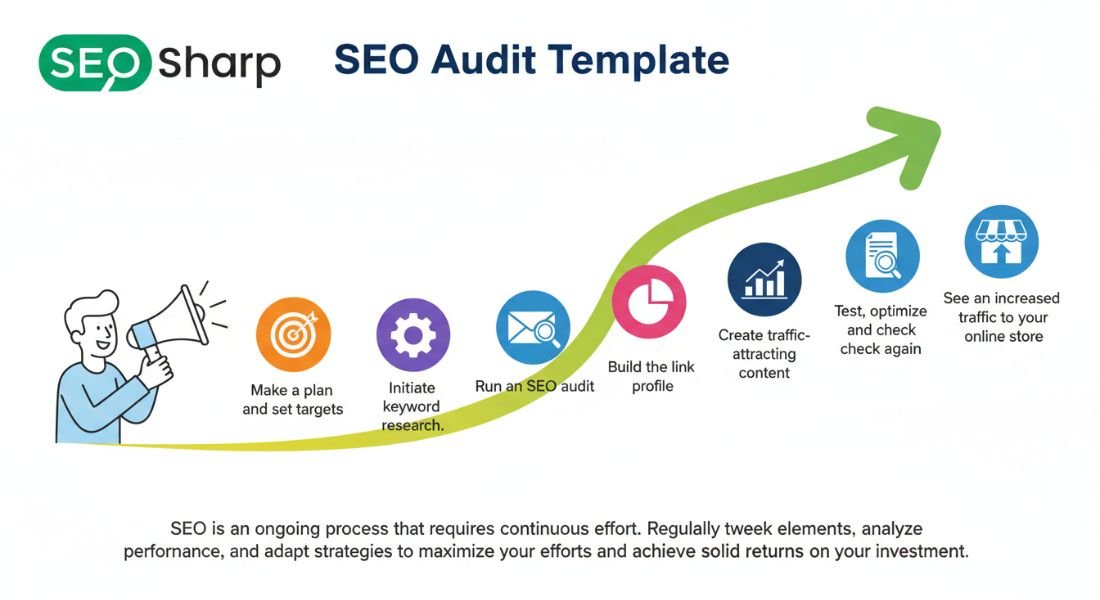
An SEO audit template is a structured checklist or framework that guides you through a comprehensive analysis of your website’s search engine performance. These templates organize the complex process of a site audit into manageable steps helping you spot technical errors, content gaps and optimization opportunities.
Reading this guide will equip you with a deep understanding of how to use different templates to systematically improve your site’s health and climb the search rankings. You will learn to identify the right framework for any situation from quick technical checks to in-depth content reviews.
Why Do You Need to Perform an SEO Audit?
An SEO audit helps you understand how well your site is performing in search engines. It is your opportunity to find and fix issues that might be holding your website back from ranking higher and attracting more organic traffic.
Without regular audits critical problems like broken links, slow-loading pages or indexing errors can go unnoticed, slowly eroding your visibility.Performing a structured audit allows you to create a clear roadmap for improvement.
You can prioritize fixes based on their potential impact ensuring you tackle the most significant problems first. For instance you might discover that important pages are blocked from search engine crawlers or that your content is not optimized for the right keywords.
Addressing these issues with a methodical approach leads to better performance, an improved user experience and a stronger foundation for your entire SEO strategy. A website seo audit template provides the structure needed for this process.
How to Do an SEO Audit Using a Template?
Using an SEO audit template simplifies the process by breaking it down into logical steps. The first step is to gather the necessary data from your analytics and search monitoring platforms. These tools provide essential insights into your site’s traffic indexing status and performance metrics.
Once you have your data you can begin the audit. Start with a technical review. This involves checking for crawl errors verifying your XML sitemap is up to date and ensuring your site’s architecture is sound. Next move on to an on-page analysis. Here you evaluate elements like title tags, meta descriptions and keyword usage on your key pages.
Finally you assess your off-page profile looking at your backlinks and overall domain authority. Following these steps helps you create a complete picture of your site’s health and build an actionable plan.to
The Only Website Audit Checklist You’ll Ever Need
A comprehensive website audit checklist covers every facet of your online presence from technical foundations to user experience. It acts as a master guide ensuring you do not miss any critical element during your analysis.
You can organize this checklist into distinct phases to make the process more manageable and less overwhelming.Start with a light audit of your core pages to catch obvious errors.
Then dive deeper into a full SEO content audit followed by a technical SEO review. After that you can assess design user experience and accessibility. Finally a conversion rate optimization audit helps you turn more visitors into customers.
This phased approach guided by a thorough checklist guarantees a complete evaluation. The seo audit sample report you generate from this process will be invaluable.
Reviewing Technical SEO for a Solid Foundation
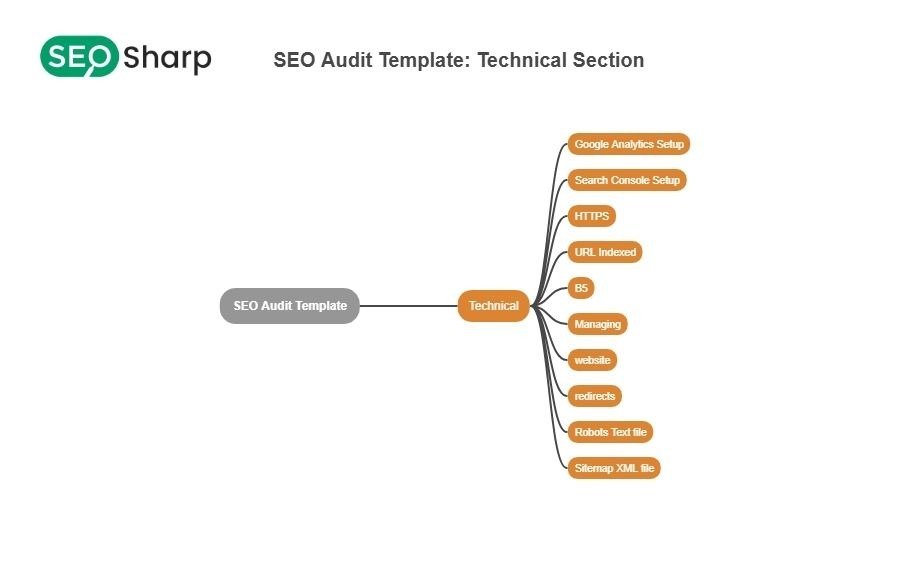
A technical SEO audit is the cornerstone of a healthy website. This process involves evaluating the core elements that affect how search engines discover, crawl and index your site. A strong technical foundation ensures that your content has the best possible chance to rank.
Without it even the most brilliant content may remain invisible to your audience. A seo technical audit template keeps this process organized. Your first action is to check your robots.txt file to confirm it is not accidentally blocking important pages.
You should also review your URL structure to ensure it is logical and reflects your site’s content hierarchy. Examine your XML sitemap to confirm it is current and submitted correctly through search engine webmaster tools.
Identifying and fixing crawl errors and broken links should be a top priority. Using crawling tools can help you quickly surface sitewide issues allowing your team to address them methodically.
You should also review schema markup for accuracy on key content types like articles and product pages. Structured data helps search engines understand your content more deeply and can lead to enhanced search result displays.
Assigning tasks to fix implementation errors or add missing structured data is a crucial step. Tracking all these updates within your seo audit format ensures you have a clear record of all changes made.
Auditing On-Page SEO to Boost Relevance
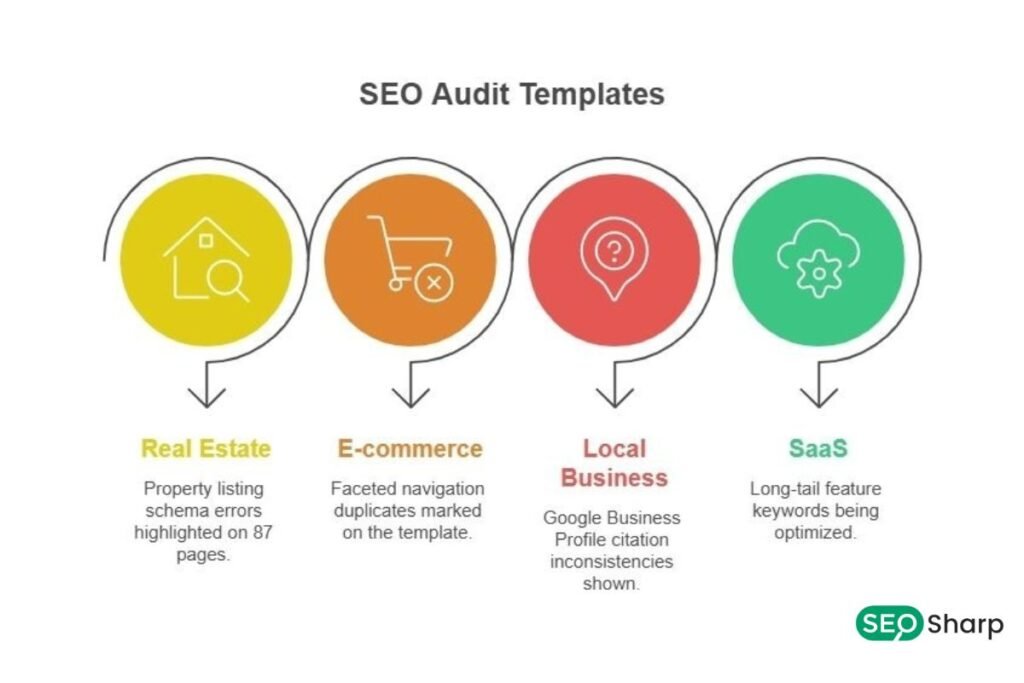
An on-page SEO audit focuses on optimizing individual pages to improve their relevance and ranking potential for specific keywords. This part of the process helps search engines understand what each page is about and why it deserves to rank for relevant search queries.
It involves a detailed review of content and HTML source code elements. You should evaluate each page’s title tags meta descriptions and header tags for uniqueness, clarity and keyword relevance.
Conducting keyword research helps confirm that your content aligns with search intent and uncovers opportunities to target related keywords increasing your topical authority. This is a great time to create tasks for content updates or rewrites that can improve ranking potential.
An SEO audit checklist PDF can serve as a great guide for your team.Next you conduct a content audit to identify thin duplicate or outdated pages. You should update this content to follow current best practices and deliver genuine value to improve the user experience.
Review your internal linking structure to ensure you are connecting related content in a way that guides visitors and helps search engines understand your site’s architecture. A sample seo audit can highlight pages that need immediate attention.
Analyzing Off-Page SEO and Backlink Profiles
An off-page SEO audit involves investigating your backlink profile and overall online authority. Backlinks from reputable websites act as votes of confidence signaling to search engines that your content is trustworthy and valuable.
A healthy backlink profile is a powerful driver of organic search visibility. Start by analyzing your backlink portfolio using SEO platforms. Evaluate your anchor text distribution to ensure it appears natural.
You should identify high-quality links that you want to maintain and flag any low-quality or toxic links that could harm your rankings. Creating outreach plans to remove or disavow these harmful links is a critical task. This is a key component of any seo site audit template.
You can also monitor brand mentions and citations across the web and on social media to track your online presence. Using search monitoring tools helps you validate referring domains and identify trends.
It is a good practice to follow up with sites that mention your brand without linking to it and ask them to convert those mentions into valuable links that build your domain authority. A free seo audit report sample can provide a baseline for this analysis.
Evaluating Local SEO for Geographic Targeting
For businesses that serve specific geographic areas a local SEO audit is essential. This audit ensures your business is visible to potential customers searching for products or services in your area. It focuses on optimizing your online presence for location-based searches.
First you check all your online business listings for consistent name address and phone number (NAP) information. You must update any outdated or incorrect entries prioritizing directories most relevant to your target audience.
You can use an audit template to log each update and note any sites that require further follow-up. This process is a vital part of creating a useful seo audit report template.
Next you review your location-specific landing pages for relevance, clarity and effective use of local keywords. You should include schema markup for local business data to improve your visibility in local search results.
Monitoring these optimizations ensures each of your business locations receives the proper level of attention. You can also encourage satisfied customers to leave reviews on major platforms and assign team members to respond to them promptly.
How to Do a Content Audit and Boost Organic Traffic
A content audit is a systematic process of reviewing all the content on your website to identify its strengths and weaknesses. The goal is to find opportunities to improve your content strategy which can lead to a significant boost in organic traffic.
By understanding what content resonates with your audience and what falls flat you can make smarter decisions about what to create, update or remove. Start by creating an inventory of your content typically in a spreadsheet.
For each piece of content you will want to gather key metrics from your analytics tools such as page views time on page bounce rate and keyword rankings. This data helps you evaluate each page’s performance objectively. Seeing an seo audit example can help you structure this data effectively.
Once you have your data you can categorize your content. Some content may be performing well and needs no changes. Other pieces might need to be updated or refreshed to remain relevant.
Some low-performing or outdated content might be a candidate for consolidation or deletion. An audit seo pdf can provide a framework for this classification. Acting on these insights helps you refine your content library and focus your efforts on what truly drives results.
Compiling Your SEO Audit Report and Recommendations

After completing your analysis the final step is to compile your findings and recommendations into a comprehensive report. This document serves as the action plan for your team and a communication tool for stakeholders.
A well-organized seo audit report format makes it easy for everyone to understand the issues and the steps needed to resolve them. Organize your findings by priority classifying issues as critical high medium or low.
This helps your team focus on the most impactful fixes first. For each action item you should assign an owner and set a realistic timeline for completion. Write your tasks with clear acceptance criteria so everyone understands what a successful outcome looks like.
A sample seo audit report provides a good model for this structure. You should attach supporting documentation including screenshots data exports and competitive research to provide context for your recommendations.
Before-and-after evidence is particularly powerful for demonstrating measurable progress. Finally summarize the site’s overall health and outline a roadmap for ongoing optimization. The seo audit report samples you create will become a key reference for future strategy.
This deep dive into SEO audit templates shows how they provide a powerful framework for improving your website. By systematically analyzing your technical, on-page and off-page SEO you can uncover hidden opportunities and fix critical issues. The process allows you to move beyond guesswork and build a data driven strategy for sustainable growth.
Using a structured approach ensures you cover all your bases and create a clear path to better rankings and more traffic. Remember that an audit is not a one-time event but an ongoing process of refinement. Consistently applying these principles will help you stay ahead of the competition.
FAQs
How do you structure an SEO audit report?
You should structure a sample seo audit report by categorizing findings into sections like Technical SEO, On-Page SEO and Off-Page SEO. For each issue describe the problem, explain its impact and provide a clear actionable recommendation. Prioritizing these recommendations helps stakeholders understand where to focus their efforts first.
What should be included in a technical SEO audit?
A technical SEO audit should include checks for crawlability indexability, site speed, mobile friendliness and security. It involves reviewing your robots.txt file XML sitemap URL structure and response codes. A comprehensive seo audit checklist template ensures you cover all these essential technical elements.
Are free SEO audit templates effective?
Yes, free templates from reputable sources can be highly effective for conducting manual audits. A free seo audit template offers a solid framework for analyzing your site’s performance and identifying key issues. While they require more manual effort than automated tools they help you develop a deeper understanding of SEO principles.
How can I use an SEO audit to find keyword opportunities?
During an on-page audit you can analyze your existing content to see which keywords it ranks for and identify gaps. Look for pages with high impressions but low click-through rates as this may signal a need for better keyword targeting. This process often part of a seo site audit report template helps uncover valuable opportunities.
How often should you perform an SEO audit?
You should perform a full comprehensive audit at least once a year. However it is wise to conduct smaller, more frequent checks. A technical audit can be run quarterly to catch crawl errors while a content review might happen every six months. This regular monitoring guided by an seo audit checklist 2020 or a more current version helps maintain site health.