
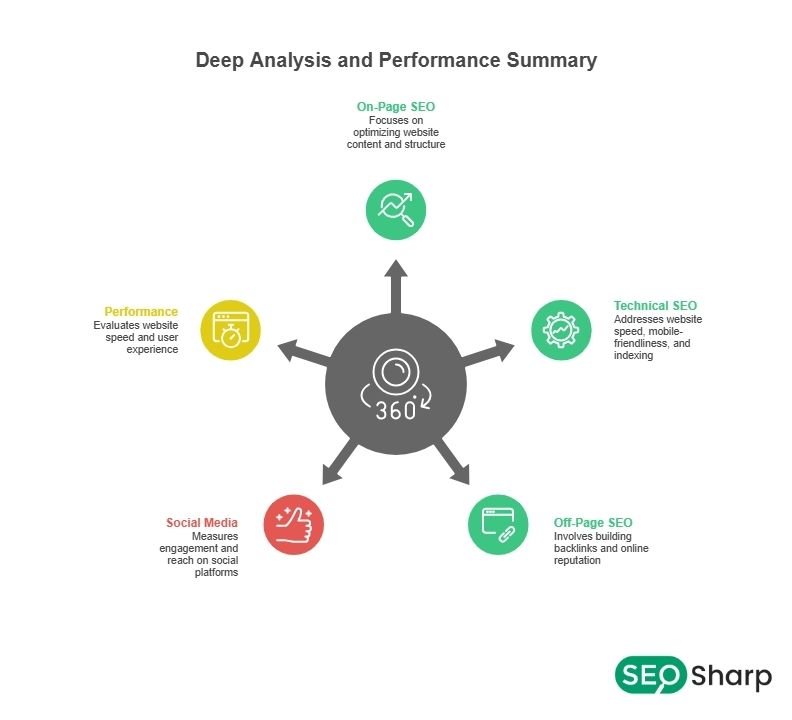
A sample SEO audit report demonstrates how website findings are structured into clear actionable sections. An SEO audit report template is a structured document that organizes website analysis findings into clear actionable sections. It presents technical issues, on-page problems, content gaps and backlink insights in a format that stakeholders understand and teams can implement.
Learn how to build professional SEO audit reports that drive real results. You’ll discover what sections to include, how to organize findings effectively and how to communicate recommendations so your team fixes critical issues first and improves rankings systematically.
What Makes an Effective SEO Audit Report?
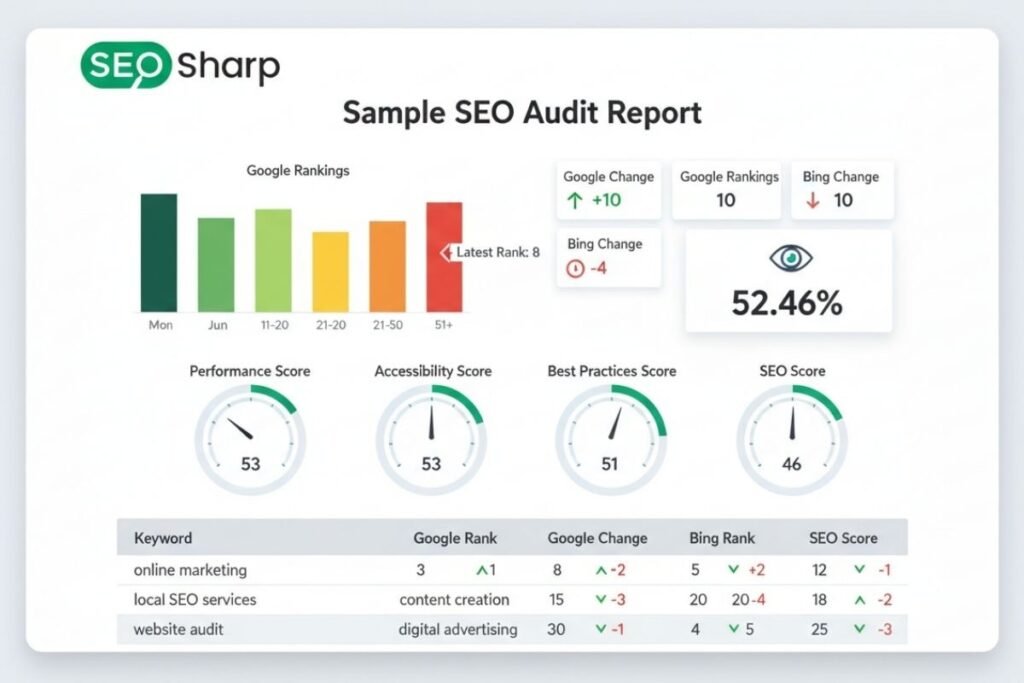
Most audit reports fail because they dump data without clear organization. Teams receive documents listing hundreds of issues but can’t identify which problems matter most. Effective reports solve this through clear structure separating technical and content issues priority systems showing which fixes deliver the biggest impact and visual support making complex problems understandable. The best reports explain why each issue matters, show specific examples and recommend exact steps to fix them.
Executive Summary in SEO Audit Reports
Give stakeholders a quick overview showing overall site health through numerical scores or color-coded gauges. List three to five critical issues needing immediate attention with brief impact explanations.
Include comparison metrics against competitors in domain authority traffic and rankings. Start with an overall health score between 0-100 showing site optimization level at a glance.
Break down scores by category technical SEO, on-page optimization content quality and backlinks so stakeholders see which areas need most attention.
Use traffic light colors where green indicates good health, yellow shows areas needing improvement and red flags critical issues blocking performance.
Technical SEO Audit Findings
Technical recommendations form your foundation because infrastructure problems block everything else. Document issues preventing search engines from properly crawling indexing and ranking content. Check robots.txt configuration XML sitemap accuracy HTTPS implementation and canonical tags.
Measure Core Web Vitals: Largest Contentful Paint (under 2.5 seconds), Interaction to Next Paint (under 200 milliseconds) and Cumulative Layout Shift (below 0.1). Focus on issues affecting site-wide performance first. Check server response times ensuring they stay under 200 milliseconds.
Verify mobile-first indexing compatibility since search engines now prioritize mobile versions for ranking. Document any JavaScript rendering problems preventing content from displaying properly to search engine crawlers.
On-Page SEO Analysis
Evaluate how well pages communicate topics to search engines. Review title tags for uniqueness and keyword placement meta descriptions for compelling summaries and header tag hierarchy.
Verify keyword optimization and image alt text. Analyze internal linking to identify orphaned pages and strengthen topic connections. Check for title tag duplication across pages which confuses search engines about which page to rank.
Verify each page targets unique primary keywords avoiding cannibalization. Ensure meta descriptions stay compelling and action oriented to improve click-through rates from search results.
Content Quality Assessment
Assess depth, relevance and authority. Identify pages not matching search intent or providing insufficient information. Find thin content needing expansion duplicate pages requiring consolidation and outdated information.
Document keyword cannibalization and gaps where competitors provide better coverage. Compare your content length against top-ranking competitors for target keywords. Pages ranking on the first page typically contain 1500-2500 words for competitive terms.
Check content freshness by documenting last update dates pages older than 12 months often need refreshing with current information and statistics.
Off-Page and Backlink Profile
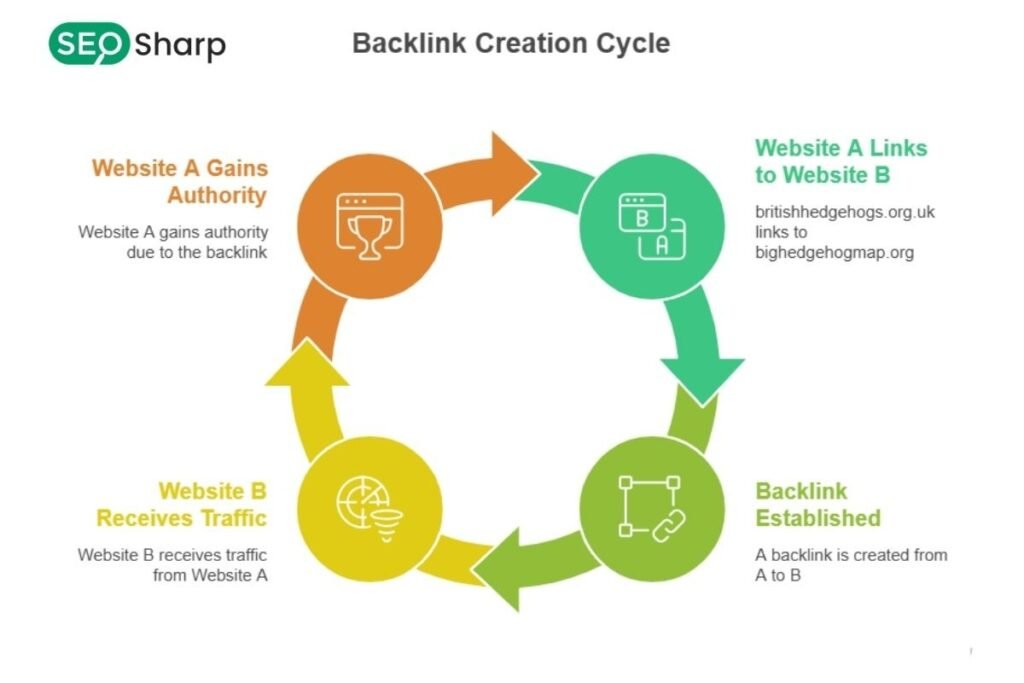
Examine link profile quality and quantity. Identify authoritative domains linking to you and toxic links potentially harming rankings. Review anchor text distribution for natural patterns. Document broken backlinks worth reclaiming and competitive gaps.
Track your referring domain count and compare against top competitors in your niche. Analyze anchor text diversity ensuring 60-70% use branded or natural anchors while 20-30% include target keywords. Flag any sudden spikes in backlinks which might indicate negative SEO attacks or unnatural link building patterns.
Sample SEO Audit Report Example
A sample SEO audit report shows how findings are presented in a real project. Instead of listing raw data it organizes issues into clear sections with priority labels, impact explanation and actionable recommendations. Reviewing a sample report helps teams understand how to communicate technical problems and content improvements effectively.
Sample Executive Summary Example
Overall Site Health Score: 72/100
Critical Issues Identified: Duplicate title tags slow Core Web Vitals on key landing pages orphaned blog posts and missing schema markup.
Primary Recommendation: Fix technical barriers first to improve crawling and indexing before expanding content.
Sample Technical SEO Findings
Issue: Render-blocking JavaScript delaying page load
Pages Affected: Homepage and category templates
Impact: High
Recommendation: Defer non-critical scripts and implement lazy loading for heavy elements.
Issue: XML sitemap includes redirected URLs
Pages Affected: 48
Impact: Medium
Recommendation: Update sitemap to include only canonical 200 status URLs.
Sample On-Page Findings
Issue: Duplicate title tags across service pages
Impact: High
Recommendation: Write unique titles including primary keyword and location modifiers where relevant.
Issue: Missing image alt text
Impact: Medium
Recommendation: Add descriptive alt attributes supporting page topic and accessibility.
Sample Content Opportunities
Gap Identified: Competitors provide deeper comparison guides
Recommendation: Expand informational pages with examples, FAQs and internal links supporting topic clusters.
This sample demonstrates how findings combine context evidence and clear actions. Reviewing structured examples makes it easier to create consistent reports across different websites.
Robots.txt Configuration
Verify the file exists in root directory check for unintended blocks of important content and confirm it links to XML sitemaps. Document any issues where robots.txt accidentally prevents crawling of CSS JavaScript or images needed to render pages. Common mistakes include blocking entire categories or subdirectories unintentionally.
Ensure robots.txt doesn’t block search engine access to pagination pages, filtered views or sorting options that create valuable content variations. Test file syntax using validation tools to catch formatting errors preventing proper interpretation by crawlers.
XML Sitemap Structure
Verify sitemaps exist and submit correctly to webmaster tools. Check that listed URLs return proper 200 status codes without redirects or errors. Confirm sitemaps update automatically when content publishes or removes.
Keep individual sitemap files under 50MB and 50000 URLs. For larger sites create sitemap index files organizing multiple sitemaps by content type separate sitemaps for blog posts, products categories and static pages. Include last modification dates helping search engines prioritize recently updated content for crawling.
HTTPS and Security
Verify SSL certificates are valid and active across all pages. Check for mixed content issues where HTTPS pages load resources through insecure HTTP connections. Document security warnings and proper redirect implementation from HTTP to HTTPS.
Ensure the certificate doesn’t expire within the next 30 days to avoid sudden security warnings. Check that all internal links use HTTPS protocol rather than HTTP. Verify canonical tags point to HTTPS versions preventing duplicate content between HTTP and HTTPS URLs.
Mobile Friendliness
Document viewport configuration touch target sizing text readability without zooming and content fitting screens without horizontal scrolling. Test key page templates and include pass/fail results with screenshots showing problems on actual devices.
Verify tap targets are at least 48×48 pixels with adequate spacing preventing accidental clicks. Check font sizes stay above 16px for body text ensuring readability without zooming. Test page layouts on multiple screen sizes from 320px to 768px width covering most mobile devices.
Page Speed and Core Web Vitals
Measure load times and identify elements causing delays like uncompressed images render-blocking resources or slow server responses. Include Core Web Vitals scores for key page types and compare against recommended thresholds.
Prioritize fixing images larger than 100KB by compressing and converting to modern formats like WebP. Defer non-critical JavaScript loading to improve initial page render. Implement browser caching with proper cache-control headers reducing repeat visitor load times by 40-60%.
Crawling and Indexing Status
Document crawl errors, broken links, redirect chains and orphaned pages lacking internal links. Check indexing status showing pages in search results compared to total site pages. Document noindex tags that might accidentally hide important content.
Monitor crawl budget allocation ensuring search engines spend time on valuable pages rather than low-priority sections. Check for redirect chains longer than two hops which waste crawl budget. Identify soft 404 errors where pages return 200 status but contain no content.
Structured Data Implementation
Verify schema markup implementation and check for errors in code syntax. Document which schema types are used and whether they’re complete with required properties. Include opportunities for additional markup like FAQ schema or review stars.
Implement JSON-LD format for schema markup as it’s easier to maintain than microdata. Prioritize schema types qualifying for rich snippets Product Recipe Article FAQ and HowTo schemas directly enhance search appearances. Test markup using validation tools ensuring all required properties are present and formatted correctly.
Title Tags and Meta Descriptions
Title tags should clearly describe page content within 60 characters. Meta descriptions provide summaries under 160 characters that encourage clicks. Identify missing duplicate or poorly optimized tags with specific examples showing weak implementations alongside improved versions.
Place primary keywords in the first 30 characters of titles where they carry most weight. Write unique descriptions for each page avoiding automated generation from first paragraph text. Include power words and numbers in descriptions increasing click-through rates by 20-30%.
Header Tag Hierarchy
Verify single H1 tags per page matching title topics. Check that H2-H6 subheadings follow logical order without skipping levels. Document pages using headers for styling instead of semantic meaning.
Keyword Optimization
Document keyword usage in titles headers body content and image alt text. Check for appropriate keyword density that sounds natural. Identify pages missing target keywords or using them awkwardly. Document keyword cannibalization where multiple pages compete for identical terms.
Aim for keyword density between 1-2% in body content avoiding over-optimization. Include semantic variations and related terms supporting main keywords. Use LSI keywords naturally throughout content helping search engines understand topic context and relevance.
Internal Linking Strategy
Analyze link distribution showing if important pages receive adequate links from related content. Document orphaned pages with no internal links. Identify opportunities to strengthen topic clusters through strategic linking.
Content Depth and Relevance
Identify thin pages lacking sufficient detail to rank competitively. Compare word counts and topical coverage against top-ranking competitors. Document pages not matching search intent and include outdated statistics or information.
Analyze search intent type informational navigational commercial or transactional ensuring content format matches user expectations. Pages targeting informational queries need comprehensive guides while commercial intent requires comparison and review content. Update statistics and data points yearly maintaining content accuracy and trustworthiness.
Duplicate Content Issues
Identify exact duplicates near-duplicates with minor variations and template-generated duplicates. Document canonical tag implementation showing whether duplicates correctly point to preferred versions. Include specific URL pairs with duplication problems.
Content Gaps and Opportunities
Identify gaps where competitors rank for valuable keywords but you lack relevant pages. Document topics related to your core offerings where you could create authoritative content. Include search volume data and difficulty scores.
Use competitive gap analysis identifying keywords where three or more competitors rank in top 10 but you don’t appear. Prioritize opportunities with search volume above 500 monthly searches and keyword difficulty below 40 for quicker wins. Map content ideas to different funnel stages awareness consideration and decision ensuring comprehensive coverage.
How to Organize Report Findings?
Start by explaining why the issue matters for SEO. Brief context helps non-technical stakeholders understand importance. When discussing canonical tags explain how they prevent duplicate content problems. Keep explanations concise.
Present exact instances discovered using bullet points. Include URLs screenshots for visual proof and metrics quantifying severity. Organize by severity so critical items appear first. Provide explicit steps to resolve each problem.
Instead of vague advice like improve content quality, specify expand product pages from 150 to 500+ words including specifications use cases and comparison tables. Include code snippets when possible and assign them to appropriate teams.
Prioritization Framework
Mark issues as critical when they completely block search engines or cause severe user problems. Examples include sites set to noindex broken redirects security warnings or unusable mobile layouts. Use Fix Immediately labels with red highlighting. These demand same-day attention.
High-impact items significantly affect rankings but don’t completely break functionality. Include slow Core Web Vitals on high-traffic pages missing title tags on key pages or broken internal links. Label as Priority 2 with orange highlighting. These fixes should happen within one to two weeks.
Medium-priority recommendations provide incremental improvements like optimizing images on lower-traffic pages. Low-priority items offer marginal gains like minor URL improvements. Mark these clearly so teams handle critical issues first.
Implementation Guidance
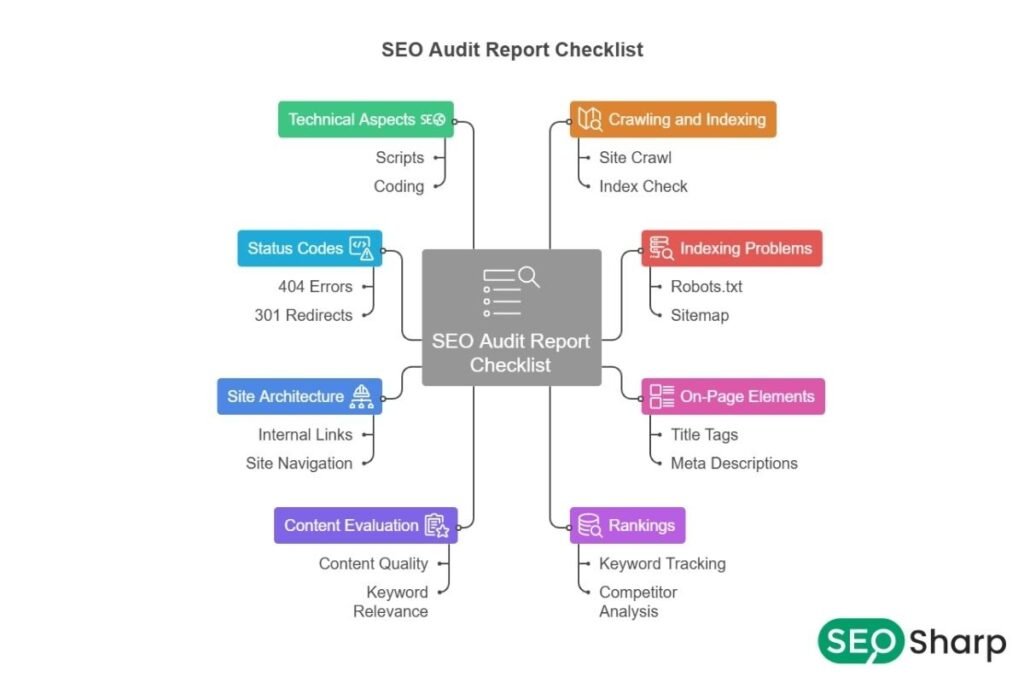
List each recommendation as a separate line item with page reference. Group by type so technical teams see their tasks together and content teams see theirs. Assign clear owners and include estimated effort levels quick fixes under an hour moderate tasks requiring one to three days and complex projects needing weeks.
Add start and end date columns that responsible parties fill during planning meetings. Critical issues need same-week completion. High-impact items schedule across two to three weeks.
Lower-priority tasks can spread over months. Build validation periods where you test changes before pushing live. Create status indicators showing whether recommendations are pending in progress or completed.
Use color coding gray for pending yellow for in progress green for completed. Update weekly and schedule follow-up reviews verifying fixes resolved issues as expected.
Common Report Mistakes to Avoid
Reports full of technical terminology alienate non-technical stakeholders. Always define technical terms in plain language. Use analogies making abstract concepts concrete. Text only reports make problems hard to grasp.
Include annotated screenshots charts visualizing trends and diagrams illustrating site architecture throughout reports. Recommendations without business impact fail to motivate action.
Always connect recommendations to business outcomes. Explain how issues affect rankings and visibility. Quantify potential improvements when possible.
Conclusion
Creating effective SEO audit reports requires clear organization separating technical and content issues, visual support clarifying complex problems and prioritization systems guiding teams toward high-impact fixes.
Well structured reports communicate findings to diverse audiences using appropriate language for each group. They transform recommendations into tracked tasks with owners timelines and status indicators.
Include all essential sections covering technical infrastructure on-page optimization content quality and off-page factors. Use consistent formats presenting concepts, specific findings and actionable recommendations.
When you build reports following these principles you create practical roadmaps that teams actually implement leading to measurable improvements in rankings traffic and user experience.
FAQs
Can I use the same audit report template for all websites?
You can use a base template but customize sections based on site type. E-commerce sites need more focus on product pages and faceted navigation while blogs require deeper content analysis and publishing frequency checks.
Who should receive the SEO audit report?
Share reports with website owners, marketing managers, development teams and content creators. Each stakeholder needs access to understand their role in implementing fixes though you might create simplified summaries for executives focusing only on business impact.
Do I need special tools to create an audit report?
Basic audits can use free tools from search engines and browser extensions for technical checks. Professional reports benefit from crawling software and analytics platforms but the report itself can be created in standard document or spreadsheet programs.
How do I present audit reports to non-technical clients?
Use visual aids like charts and color-coded tables to avoid technical jargon, focus on business impact rather than technical details and always connect recommendations to outcomes like increased traffic or better user experience.
What’s the difference between a free and paid audit report?
Free reports typically cover surface level issues using automated tools and provide generic recommendations. Paid professional audits include manual analysis, competitive research customized strategies and detailed implementation guidance with ongoing support.


2 Responses
I really like how this post simplifies SEO audits into manageable steps. It’s easy to overlook the technical side of things, but having a structured approach can really help websites identify core problems. Do you recommend specific tools for tracking these SEO metrics?
Thank you, glad you found it helpful.
For tracking SEO metrics, tools like Google Search Console, Google Analytics, Screaming Frog and Ahrefs work well together.
The key is using them to prioritize issues, not just collect data.