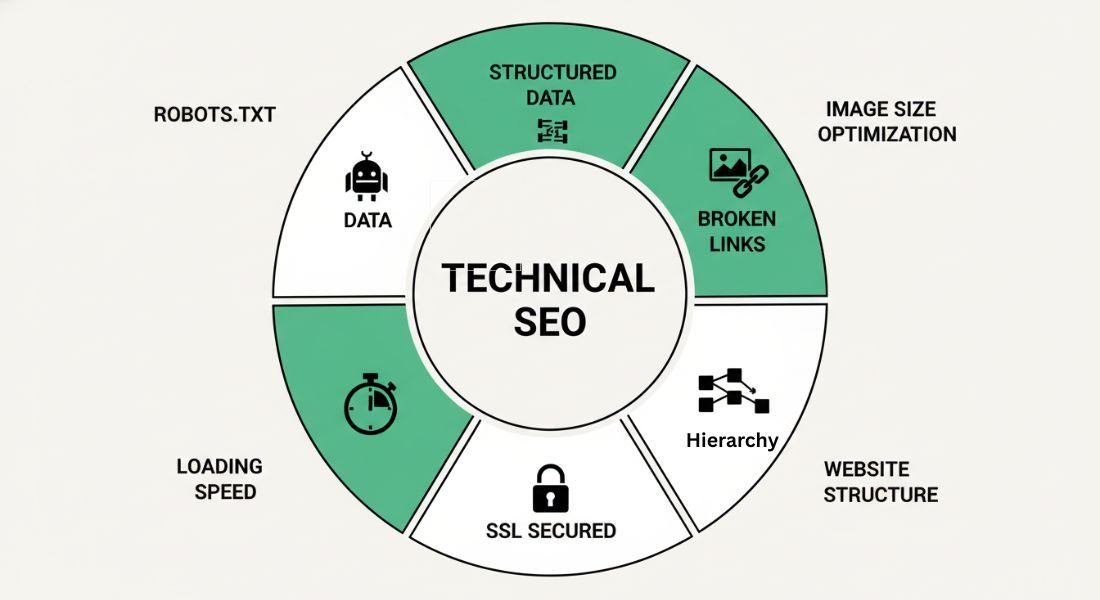
An SEO technical audit service examines your website’s backend to find problems preventing search engines from crawling indexing and ranking your pages properly. It identifies issues like slow page speed, broken links, mobile problems and indexing errors.
You’ll discover how technical audits work, what issues they uncover and how to fix problems that hurt your rankings. This guide helps you understand which technical issues damage your site most and how to solve them.
Why Technical SEO Matters for Rankings?
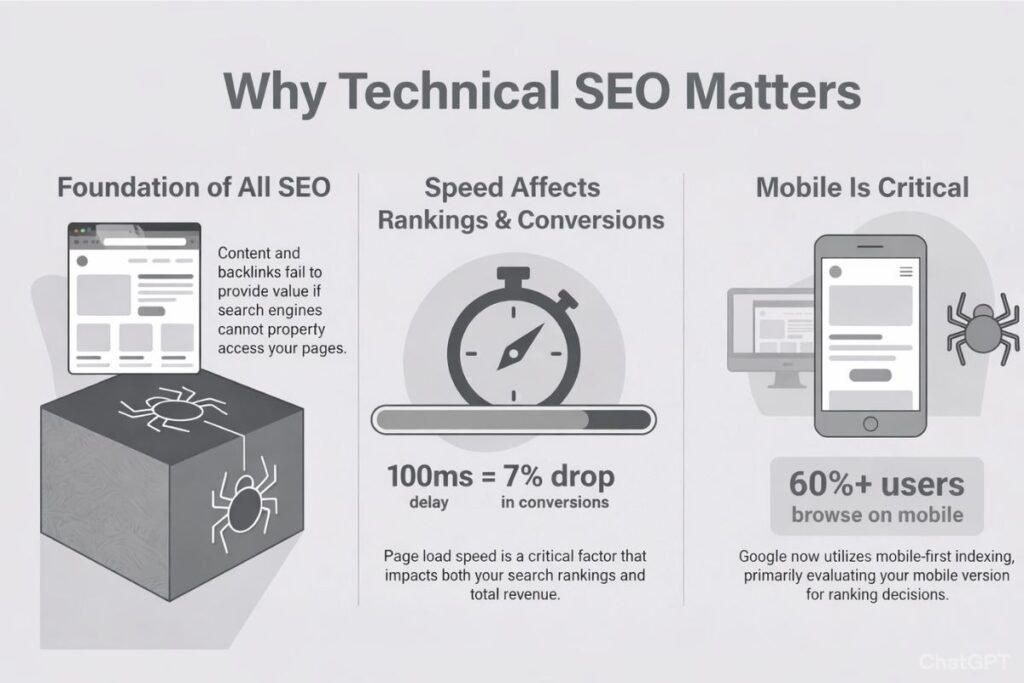
Your website needs strong technical foundations to rank well. Search engines must crawl your pages easily, understand your site structure and load content quickly. Technical problems create barriers that keep even excellent content invisible in search results.
Issues accumulate over time. Sites that worked perfectly months ago develop redirect chains, slow loading speeds and indexing problems through updates and changes. This “technical debt” quietly damages search performance costing businesses thousands of potential customers monthly.
Common Technical Issues Found in SEO Audits
Technical problems hide beneath the surface quietly damaging search performance.
Page Speed and Core Web Vitals
Slow websites lose visitors before they even see your content. Pages that load longer than three seconds can lose more than half their visitors, which directly affects engagement and conversions. Ideally, a website should load within 1–2 seconds for the best user experience, while anything under 3 seconds is considered acceptable. Faster websites not only retain users but also perform better in search rankings.
Core Web Vitals are specific performance metrics that search engines use to measure real user experience on your website. They focus on how fast your page loads, how quickly users can interact with it, and how stable the layout remains while loading. Because these metrics reflect actual user satisfaction, they directly influence how search engines rank your pages.
Core Web Vitals measure three critical aspects:
Largest Contentful Paint (LCP) measures loading performance and should occur within 2.5 seconds; Interaction to Next Paint (INP) measures responsiveness and should be under 200 milliseconds; and Cumulative Layout Shift (CLS) monitors visual stability, with scores under 0.1 considered good.
Poor scores can negatively impact rankings because they signal a weak user experience to search engines.
Crawl Errors and Indexing Issues
Broken links stop crawlers from reaching valuable content. Missing XML sitemaps make finding pages harder. Robots.txt errors can accidentally block important sections. Duplicate content confuses search engines about which version to rank. Orphaned pages with no internal links rarely get discovered.
Mobile Usability Problems
Search engines primarily use mobile versions for ranking. Common issues include text too small to read clickable elements too close together and slow loading on cellular connections. Technical audits identify these problems and recommend fixes.
Site Structure and Security
Poor site structure buries important content where search engines rarely find it. Strategic internal linking distributes ranking power and guides search engines to valuable pages. Sites without HTTPS show security warnings that damage trust and rankings.
How Technical SEO Audits Work?
Technical audits follow systematic processes to evaluate your website’s foundation. Understanding these steps shows what to expect and how to use findings effectively. Audits begin with comprehensive website crawls using specialized tools that navigate your site like search engine bots.
They record every page link image and resource pulling additional data from webmaster tools and analytics platforms to see how search engines and users actually experience your site. Audit tools flag hundreds of potential issues but expert analysis separates critical problems from minor optimizations.
Critical issues include blocked pages, severe speed problems and broken navigation. Medium-priority items include suboptimal metadata and redirect chains. Low-priority optimizations provide small incremental benefits. The most valuable audits organize findings by impact and implementation difficulty.
This prioritization lets you tackle fixes delivering maximum results first. High-impact easy fixes come first. High-impact difficult issues deserve careful planning. Reports translate technical findings into actionable steps explaining what problems exist, why they matter and how to fix them.
Different Types of Technical SEO Audit Services
Automated Audit Tools
Automated tools scan websites and generate instant reports identifying common issues like broken links missing meta tags and mobile problems within minutes. However they miss nuanced strategic issues and cannot provide competitive analysis or business-specific recommendations.
Professional Technical SEO Services
Professional services combine automated tools with expert manual analysis. Consultants evaluate competitive landscapes, identify industry-specific opportunities and prioritize fixes based on business goals. They cost more but deliver strategic insights and detailed implementation guidance.
Hybrid Approach
Many businesses use automated monitoring for ongoing health checks combined with quarterly professional audits for strategic deep-dives. This balances affordability with comprehensive coverage.
How to Choose the Right SEO Technical Audit Service
Selecting the right audit approach requires considering several factors beyond price.
Evaluate Your Website Complexity: Small sites under 100 pages work well with automated tools. Medium sites between 100-1000 pages benefit from comprehensive tool subscriptions. Large sites over 1000 pages often need professional analysis for complex technical issues.
Consider Your Team’s Expertise: Beginners need clear actionable reports with step-by-step instructions. Experienced teams can handle technical reports and implement fixes independently. Decide whether you need implementation support or just recommendations.
Match Budget to Value: A $5000 audit makes sense expecting significant traffic increases. Smaller sites should start with affordable tools and upgrade when needed. Even expensive audits deliver strong ROI when they fix issues significantly hurting traffic and conversions.
Check Provider Experience: Look for providers with experience in your platform and industry. Technical requirements vary between WordPress blogs e-commerce platforms and SaaS applications. Review case studies and client testimonials showing real results.
Verify Post-Audit Support: The best audits mean nothing without proper implementation. Look for agencies providing ongoing support implementation guidance or development resources ensuring recommended fixes get completed correctly.
What’s Included in a SEO Technical Audit Service?
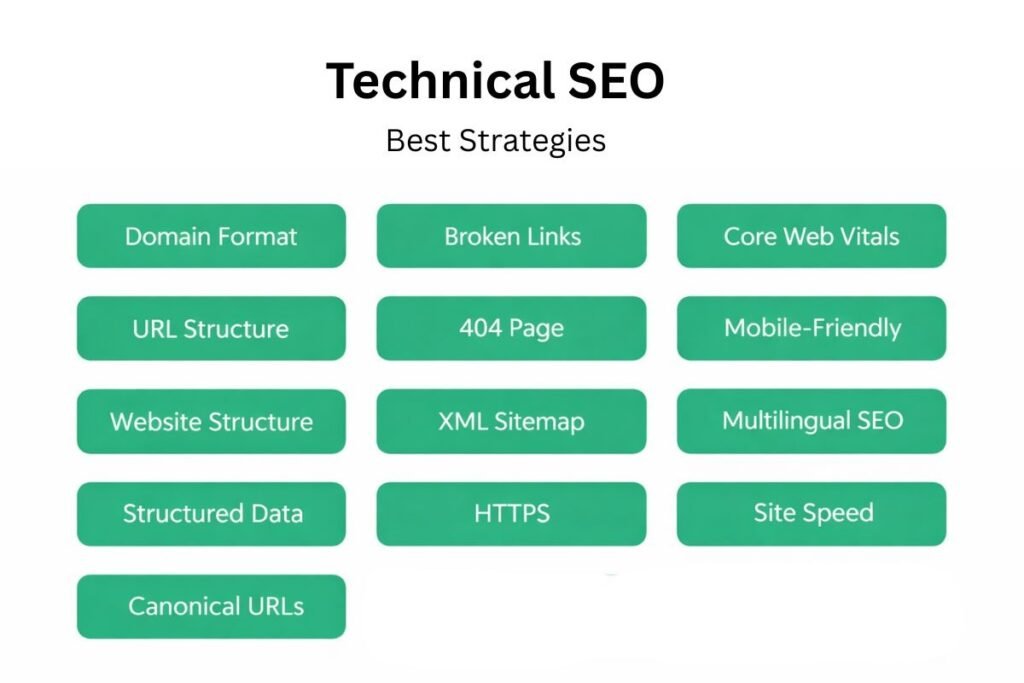
Comprehensive audits examine multiple critical areas. Understanding what audits should cover helps you evaluate whether you’re getting thorough analysis.
Crawlability and Indexation: Audits verify search engines can access and index valuable pages. This includes checking robots.txt files, reviewing XML sitemaps, identifying orphaned pages and finding incorrectly marked noindex pages.
Page Speed and Performance: Detailed analysis measures load times and identifies elements causing delays. This covers render-blocking resources server response times image optimization and Core Web Vitals measurements with specific improvement recommendations.
Mobile Optimization: Reviews test actual device performance evaluate touch target sizes assess mobile page speed separately and verify mobile-specific features work correctly. With mobile-first indexing your mobile version determines rankings.
Site Structure Best Practices: Audits verify proper heading hierarchy optimized title tags and meta descriptions clean URL structures appropriate canonical tag use and correct redirect implementation.
Security and Accessibility: Security analysis confirms HTTPS implementation checks for mixed content errors, reviews certificate validity and scans for vulnerabilities. Accessibility reviews ensure sites work for all users.
Structured Data: Validation of schema markup implementation ensures rich results appear in search listings. Proper markup testing identifies errors preventing enhanced search appearances.
Tools Used in Technical SEO Audits
Website Crawling Tools
Professional crawling tools map website structures and identify broken links analyzing metadata and site architecture. Enterprise-level platforms provide sophisticated analysis for large websites with log file analysis and JavaScript rendering capabilities.
Performance Testing Tools
Specialized performance tools evaluate loading speed and Core Web Vitals scores. Advanced testing platforms offer detailed analysis showing exactly how resources load from multiple global locations helping identify specific bottlenecks.
Search Engine Integration Tools
Official webmaster tools from major search engines provide direct insights showing indexing status, mobile usability issues and Core Web Vitals data. These free tools offer irreplaceable information directly from search engines about how they see your site.
Structured Data Testing Tools
Markup validation tools check structured data implementation and show which rich result types pages qualify for. These tools verify that schema markup works correctly and identify implementation errors.
How Much Technical SEO Audits Cost
Technical audit pricing varies based on site complexity analysis depth and provider expertise.
Free Automated Tools: Provide basic scans checking common issues. Good for initial health checks but lack depth and strategic guidance.
Tool Subscriptions ($30-$200/month): Automated platforms with unlimited scans and advanced features. Basic plans start around $30-50 monthly professional plans reach $100-200.
Freelance Auditors ($500-$2000): Independent consultants provide manual audits. Small business audits cost $500-1000 larger sites reach $2000+.
Agency Audits ($2000-$10000+): Comprehensive audits with strategic recommendations. Prices start around $2000 for small sites and reach $10000+ for enterprise websites often including implementation support.
Site size, technical complexity and audit depth all influence costs. Match spending to potential value, expensive audits make sense when expecting significant traffic increases. Consider audits as investments in long-term site health rather than expenses.
How to Fix Technical SEO Issues?
Once you have audit results implementation becomes critical. Approaching fixes strategically ensures progress without getting overwhelmed.
Start with Critical Issues: Fix problems that completely block search engines or severely hurt user experience first. Remove accidental noindex tags, fix broken internal links and resolve major mobile problems. These cause immediate significant damage.
Quick Wins for Fast Results: Several fixes provide fast results with minimal effort. Compress images to reduce file sizes, enable browser caching for repeat visits, fix broken links, add missing meta descriptions and implement proper heading structures. These changes require little technical expertise but deliver real benefits.
Complex Fixes Needing Developer Support: Some issues need experienced developers. Site-wide performance optimization often requires code refactoring and server configuration changes. HTTPS migration URL structure changes and JavaScript rendering issues require technical knowledge beyond basic web development.
Test Before Deploying: Always test fixes in staging environments before going live. Major changes can have unintended consequences. After deploying, validate fixes work correctly using the same tools that identified issues. Monitor webmaster tools for new errors and track ranking changes to measure improvement.
Measuring Technical SEO Audit Success
Technical improvements should deliver measurable results. Track these key metrics to verify fixes work.
Crawl and Indexation Stats: Webmaster tools show how efficiently search engines access your site. Watch for increases in pages crawled daily and decreases in crawl errors. More indexed pages indicate better technical health.
Organic Traffic Growth: Monitor overall organic sessions and traffic to specific pages that received technical attention. Improved technical foundations help more visitors find your site.
Page Speed Metrics: Core Web Vitals scores show whether performance optimizations succeeded. Better scores (LCP under 2.5 seconds, INP under 200 milliseconds, CLS under 0.1) correlate with better user experience and rankings.
User Engagement: Bounce rates often decrease after technical fixes improve user experience. Time on site and pages per session increase when navigation becomes smoother and pages load faster.
Business Outcomes: Track conversions from organic traffic separately. Technical improvements should attract more qualified leads and increase conversion rates ultimately generating more revenue per organic visit.
Some improvements show results quickly, fixing broken links or removing noindex tags can impact crawling within days. Page speed improvements often deliver faster results. Structural changes and major improvements take longer typically showing meaningful results within three to six months.
Maintaining Technical SEO Long-Term
Technical SEO requires continuous attention. Schedule quarterly audits and set up automated monitoring for immediate issue alerts. Review webmaster tools weekly for new errors and security issues.
Establish technical standards for all new content. Test everything before deployment and document standards for everyone who touches your website. Stay current by following official search engine blogs announcing important updates affecting technical requirements.
Common Technical Audit Mistakes to Avoid
Relying Only on Automated Reports: Tools miss context and strategy. Strategic prioritization requires human judgment about the competitive landscape and business objectives.
Ignoring Implementation: Audits mean nothing without action. Allocate resources for implementing fixes before paying for audits.
Expecting Instant Results: Search engines need time to re-crawl sites and adjust rankings. Set realistic timelines based on fixed complexity.
Skipping Testing: Always test in staging environments before deploying to live sites to avoid breaking functionality.
Neglecting Ongoing Maintenance: Sites constantly change. Budget for ongoing monitoring to prevent small issues from becoming major problems.
Conclusion
Technical SEO audit service uncover hidden problems stopping your website from ranking well. They reveal crawling barriers indexing issues, slow performance and structural weaknesses that hurt search visibility.
Success comes from fixing the right issues first, addressing critical problems immediately then gaining momentum with quick wins. Choose the approach that suits your needs: automated tools for regular monitoring professional services for deeper insights or a mix of both for complete coverage.
Remember audits alone don’t improve rankings. Consistent implementation and ongoing maintenance are essential as your site evolves. Regular technical audits protect your visibility and keep your foundation strong as search requirements change.
FAQs
How long does a technical SEO audit take to complete?
Automated tools generate basic reports in minutes to hours scanning your site and flagging common issues quickly. Professional manual audits typically take one to two weeks for thorough analysis depending on site size and complexity. Enterprise websites with thousands of pages might need three to four weeks for comprehensive evaluation including competitive analysis and strategic recommendations.
Can I fix technical SEO issues myself without hiring developers?
Many technical fixes don’t require coding expertise. You can optimize images, write meta descriptions, fix broken links and improve content structure yourself using standard CMS tools. However complex issues like site-wide performance optimization JavaScript rendering problems or structured data implementation usually need developer support for proper execution.
What’s the difference between technical SEO and regular SEO?
Technical SEO focuses on website infrastructure crawlability, site speed and backend elements that help search engines access and understand your content. Regular SEO encompasses content quality keyword optimization and link building. Technical SEO creates the foundation that allows all other SEO efforts to work effectively.
How often should websites get technical audits?
Most websites benefit from quarterly technical audits to catch issues before they cause serious problems. Schedule immediate audits after major site changes like redesigns platform migrations or significant feature additions. E-commerce sites and large content-heavy websites should consider monthly automated monitoring with quarterly professional deep-dives.
Do technical audits guarantee improved rankings?
Audits themselves don’t improve rankings, implementing their recommendations does. Fixing technical issues removes barriers preventing search engines from properly crawling and ranking your content. Results depend on issue severity, fix quality competitive landscape and how well other SEO elements support your technical foundation. Most sites see measurable improvements within three to six months of addressing critical technical problems.