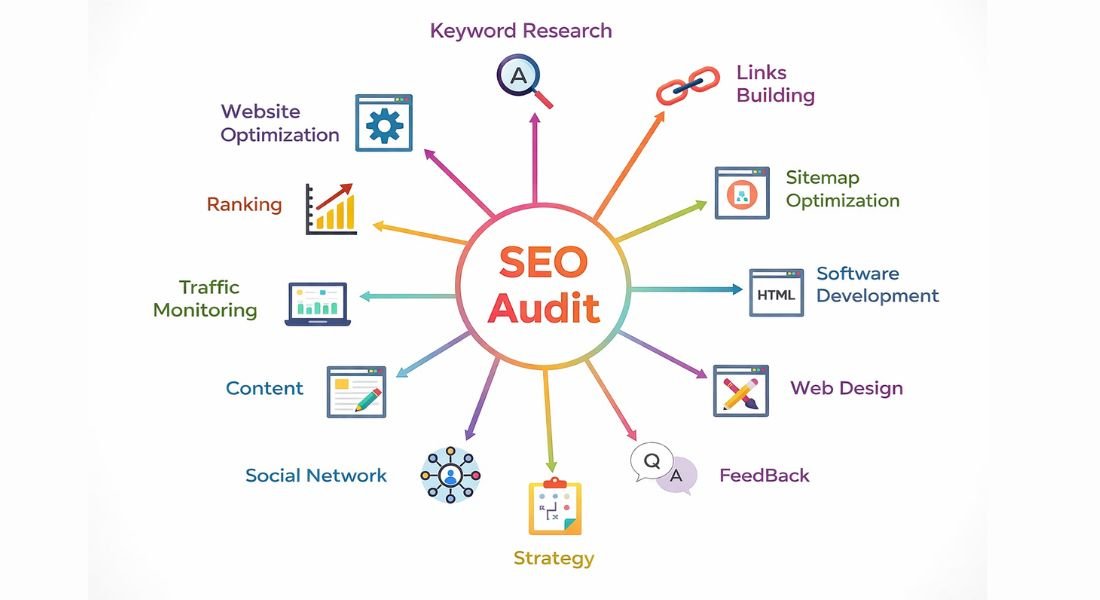
SEO audit companies are businesses that analyze websites to find problems affecting search engine rankings. They check technical issues, content quality backlinks and site performance. These companies provide detailed reports showing what’s wrong and how to fix it
This guide helps you understand how SEO audits work, what different audit types exist and how to choose the right approach for your business.
You’ll learn about pricing common mistakes and what makes a good audit valuable. Whether you’re a small business owner or managing a large website you’ll find practical information to improve your site’s performance.
Why Do Businesses Need SEO Audit Companies?
Your website might look perfect but hidden issues can stop it from ranking well. Search engines like Google use over 200 factors to decide which sites appear first. Small problems like broken links, slow loading speeds or duplicate content can hurt your rankings without you knowing.
SEO audit companies reveal these problems before they damage your traffic. They show you exactly what blocks your site from performing well. Regular audits catch new issues early helping you maintain strong rankings and organic traffic.
Businesses that skip audits often wonder why competitors rank higher despite having similar content. The answer usually lies in technical optimization site structure or backlink quality areas only a thorough audit can uncover.
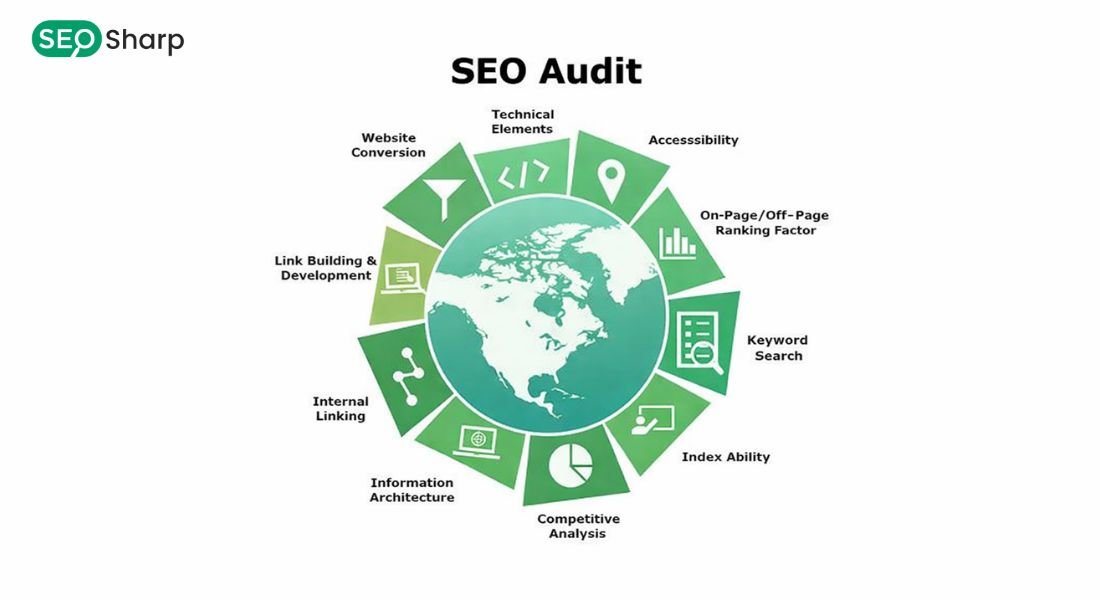
Types of SEO Audits Explained
Different audit types focus on specific areas of your website. Understanding these helps you know what your site needs most.
Technical SEO Audit
Technical audits examine how search engines crawl and index your website. They check if search engines can access your pages easily and understand your site structure.
Key areas include:
- Crawling errors and blocked pages
- XML sitemap configuration
- Robots.txt file setup
- Site speed and Core Web Vitals
- Mobile responsiveness
- HTTPS security
- Canonical tags and redirects
- JavaScript rendering issues
Technical problems directly affect whether search engines can find and rank your pages. A site might have excellent content but remain invisible if technical issues block crawling.
On-Page SEO Audit
On-page audits focus on content and HTML elements that affect individual pages. This type examines how well each page targets specific keywords and satisfies user intent.
What on-page audits review:
- Title tags and meta descriptions
- Header tag structure (H1 H2 H3)
- Keyword usage and density
- Content quality and depth
- Internal linking structure
- Image optimization and alt text
- URL structure
- Schema markup
Good on-page SEO ensures each page clearly communicates its topic to search engines and provides value to visitors. Weak on-page elements confuse both search engines and users.
Off-Page SEO Audit
Off-page audits evaluate factors outside your website that influence rankings. Backlinks remain the primary focus since they signal authority and trust to search engines.
Off-page audit components:
- Backlink profile analysis
- Referring domain quality
- Anchor text distribution
- Toxic link identification
- Competitor backlink comparison
- Brand mentions and citations
- Social signals
A healthy backlink profile contains links from relevant authoritative websites. Poor quality links or unnatural link patterns can trigger penalties and hurt rankings.
Content Quality Audit
Content audits assess whether your pages provide real value to users. They identify thin content, duplicate pages and outdated information that might harm performance.
Content audits examine:
- Content depth and comprehensiveness
- Keyword cannibalization issues
- Duplicate or thin pages
- Content freshness and updates
- User engagement metrics
- Content gaps compared to competitors
- Readability and structure
Quality content satisfies user intent completely. Pages that fail to answer questions thoroughly often lose rankings to more comprehensive competitors.
How Do SEO Audit Companies Work?
SEO audit companies follow a structured process to analyze websites systematically. Understanding this process helps you know what to expect.
Step 1: Initial Website Crawl
SEO Audit Companies use specialized tools to crawl your entire website similar to how Google does. This crawl identifies all pages links and technical elements. The crawl reveals site architecture broken links and indexing issues.
Step 2: Data Collection
Auditors gather data from multiple sources including Google Search Console, Google Analytics and backlink databases. They collect information about current rankings, organic traffic and link profiles. This data provides context for the audit findings.
Step 3: Issue Identification
The audit process identifies specific problems affecting performance. Issues get categorized by severity and impact. Critical problems that block indexing or harm user experience receive priority.
Step 4: Competitive Analysis
Most audits include competitor comparison to understand your market position. Auditors analyze what competitors do well and where opportunities exist. This reveals gaps in your strategy and shows realistic ranking potential.
Step 5: Report Creation
SEO Audit Companies compile findings into detailed reports with clear recommendations. Good reports explain problems in simple terms and provide actionable steps. The best reports prioritize fixes by potential impact.
Step 6: Implementation Guidance
Some SEO Audit companies only provide reports while others offer implementation support. Implementation can include fixing technical issues, improving content or building better internal links.
What Does an SEO Audit Report Include?
A comprehensive audit report contains several key sections that address different aspects of website optimization.
Executive Summary
The summary highlights major findings and critical issues needing immediate attention. It provides an overall health score and lists top priorities. This section helps stakeholders understand the big picture quickly.
Technical Analysis
Technical sections detail crawling issues indexing problems and site performance metrics. Reports show page load speeds, mobile usability scores and Core Web Vitals data. They identify redirect chains, broken links and duplicate content.
On-Page Evaluation
On-page analysis reviews title tags, meta descriptions and header structures across the site. It shows keyword optimization opportunities and content gaps. Internal linking recommendations help improve site architecture.
Backlink Profile
Backlink sections show total links referring domains and domain authority metrics. They identify toxic links that might harm rankings and highlight quality link opportunities. Competitor backlink comparison reveals where you lag behind.
Keyword Rankings
Reports include current keyword positions and estimated traffic potential. They show which keywords drive traffic and which ones need improvement. Keyword cannibalization issues get flagged for correction.
Actionable Recommendations
Every finding comes with specific recommendations for improvement. The best reports organize recommendations by priority and estimated impact. Clear instructions help teams implement changes correctly.
DIY Audits vs SEO Tools vs Hiring Companies
You have three main options for conducting SEO audits. Each approach has different advantages and limitations.
Do It Yourself (Manual Audits)
Manual audits involve checking your site using free tools like Google Search Console and PageSpeed Insights. You examine pages individually and compile findings yourself.
Best for: Very small websites (under 20 pages) extremely tight budgets learning SEO basics.
Advantages: No cost, complete control, deep understanding of your site.
Limitations: Very time-consuming, easy to miss issues requires SEO knowledge and no automation.
SEO Audit Tools
Automated tools scan websites and generate instant reports. These tools identify common issues quickly and provide regular monitoring capabilities.
Best for: Small to medium businesses ongoing monitoring quick issue detection budget-conscious teams.
Advantages: Fast results, affordable pricing, continuous monitoring, easy to use, no expertise needed.
Limitations: Less strategic insight automated recommendations may lack context and complex issues need manual review.
Popular tools include platforms that offer comprehensive scans covering technical SEO on-page factors and backlink analysis. Many provide white-label reports and customizable audits.
Professional SEO Audit Companies
Professional seo audit companies provide manual analysis by experienced auditors. They combine automated tools with human expertise for strategic insights.
Best for: Large websites complex technical issues comprehensive strategy development businesses with significant SEO investment.
Advantages: Deep strategic analysis personalized recommendations implementation support expert interpretation.
Limitations: Expensive ($1000 to $10000+) slower delivery may be overkill for simple sites.
How Much Does an SEO Audit Cost?
SEO audit pricing varies widely based on website size, audit depth and service provider type.
Free Automated Audits
Many tools offer free basic audits that check common issues. These work well for initial health checks but lack depth and strategic guidance. They provide a starting point but miss nuanced problems.
Tool Subscriptions: $30-$200/month
Automated audit tools typically charge monthly subscriptions. Basic plans start around $30-50 per month for limited scans. Professional plans with unlimited audits and advanced features cost $100-200 monthly.
Freelance Auditors: $500-$2000
Independent SEO consultants charge per project for manual audits. Prices depend on site size and complexity. Small business audits often cost $500-1000 while larger sites reach $2000+.
Agency Audits: $2000-$10000+
Full-service agencies provide comprehensive audits with strategic recommendations. Prices start around $2000 for small sites and reach $10000+ for enterprise websites. These often include implementation support.
Enterprise Solutions: $10000-$50000+
Large organizations with complex websites pay premium prices for detailed analysis. These audits include competitive intelligence, custom strategies and ongoing consulting. The right investment depends on your site size budget and how much help you need implementing fixes.
What to Look for When Choosing an SEO Audit Approach?
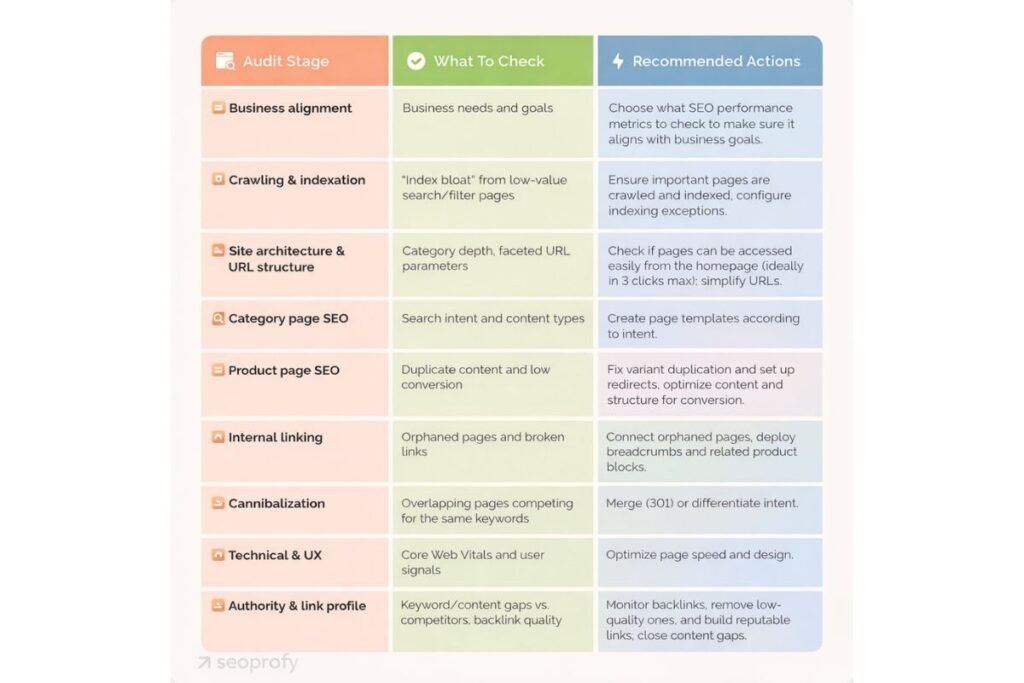
Selecting the right audit method requires considering several factors beyond just price.
Your Website Size
Small sites (under 100 pages) can use affordable tools or basic audits. Medium sites (100-1000 pages) benefit from comprehensive tool subscriptions. Large sites (1000+ pages) often need professional analysis for complex technical issues.
Your Team’s SEO Knowledge
Beginners need clear actionable reports with step-by-step instructions. Experienced teams can handle technical reports and implement fixes independently. Consider whether you need implementation support or just recommendations.
Budget Reality
Match spending to potential value. A $5000 audit makes sense if you expect significant traffic increases. Smaller sites should start with affordable tools and upgrade if needed.
Audit Frequency Needs
One-time audits suit major site launches or overhauls. Ongoing monitoring requires subscription tools that track changes continuously. Regular audits catch issues before they damage rankings.
Transparency and Communication
Look for clear explanations in simple language. Avoid providers that are overwhelmed with jargon or vague recommendations. The best audits teach you while solving problems.
Track Record and Reviews
Check provider reviews, case studies and client testimonials. Experienced auditors spot issues others miss. Look for evidence of real results and satisfied clients.
Common Mistakes to Avoid
Many businesses make predictable errors when getting SEO audits. Avoiding these saves time and money.
Treating Audits as One-Time Events
SEO requires continuous attention. Sites change algorithms, update and competitors improve. Single audits lose value quickly without follow-up monitoring.
Ignoring Implementation
Getting an audit without implementing changes wastes money. Prioritize fixes by impact and tackle them systematically. Even small improvements compound over time.
Choosing Based Only on Price
The cheapest option often delivers the least value. Extremely expensive services may provide unnecessary complexity. Focus on what you actually need, not the lowest or highest price.
Expecting Instant Results
SEO improvements take time to show results. Technical fixes might improve crawling quickly but ranking changes need weeks or months. Set realistic expectations about timelines.
Overlooking Technical Issues
Many businesses focus only on content and backlinks while ignoring technical problems. Technical issues can completely block even the best content from ranking.
Not Understanding Your Own Needs
Define goals before seeking audits. Know whether you need traffic growth conversion improvement or technical fixes. Clear goals help you choose the right audit type.
How Long Does an SEO Audit Take?
Audit duration depends on website size and audit depth.
Automated Tool Audits: 20 seconds to 5 minutes
Automated tools scan sites and generate reports almost instantly. Small sites finish in under a minute. Larger sites with thousands of pages take a few minutes.
Basic Manual Audits: 2-5 hours
Simple manual audits of small sites take several hours. Auditors check major elements and compile basic recommendations. These suit straightforward websites without complex issues.
Comprehensive Professional Audits: 1-2 weeks
Detailed audits by agencies or consultants require extended time. They involve thorough analysis, competitor research and strategic recommendations. Large or complex sites may take longer.
Enterprise Audits: 2-4 weeks
Major website audits involve multiple team members and extensive analysis. These include detailed competitive intelligence and custom strategic plans. Plan for implementation time separately. Fixing audit findings usually takes longer than the audit itself.
How Often Should You Run SEO Audits?
Audit frequency depends on how actively your site changes and your competitive landscape.
Monthly Monitoring
Use automated tools for monthly scans if you regularly add content or make site changes. Monthly checks catch new issues quickly before they accumulate.
Quarterly Reviews
Most businesses benefit from thorough quarterly audits. This frequency balances cost with catching problems reasonably fast. Quarterly reviews track progress and adjust strategies.
Major Event Audits
Always audit after significant changes like site redesigns, platform migrations or major content updates. These events often introduce unexpected issues.
Annual Deep Dives
Conduct comprehensive annual audits even if you monitor monthly. Annual audits provide strategic perspective and ensure nothing slips through routine checks. Active sites in competitive industries need more frequent auditing. Stable sites in low-competition niches can audit less often.
Red Flags in SEO Audit Services
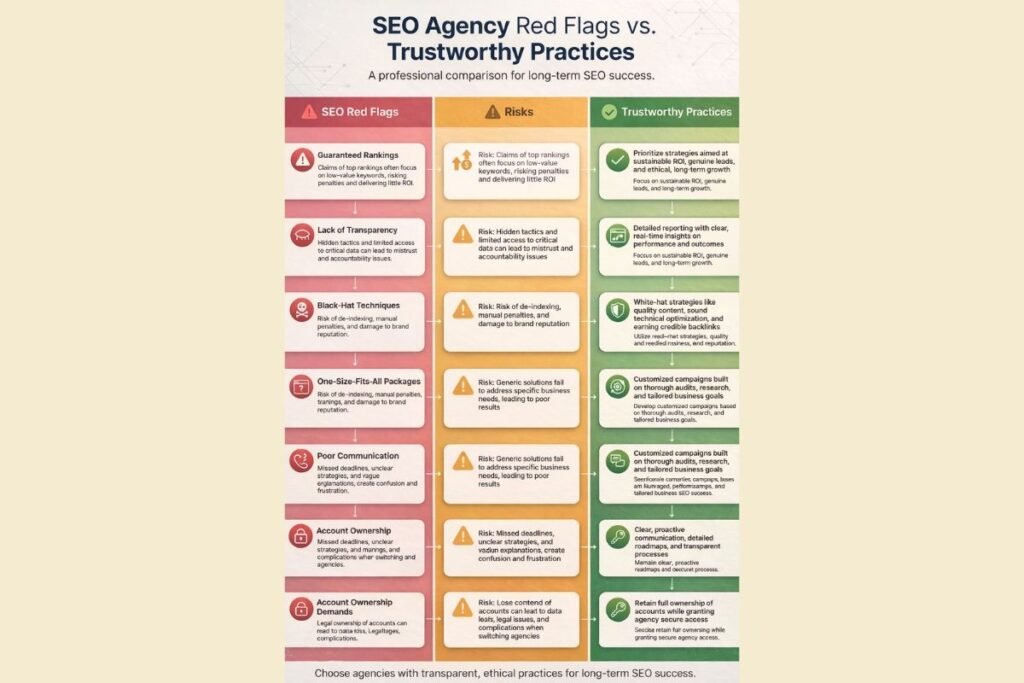
Watch for warning signs that indicate unreliable audit providers.
Guaranteed Rankings
No one can guarantee specific rankings. Search algorithms consider hundreds of factors and change regularly. Promises of guaranteed positions indicate dishonesty.
Extremely Low Prices
Professional audits require time and expertise. Suspiciously cheap services often deliver low-quality reports with generic recommendations. You usually get what you pay for.
Vague Recommendations
Good audits provide specific actionable steps. Avoid reports filled with generic advice like “improve content quality” without explaining how.
No Competitive Analysis
Understanding your market context matters. Audits without competitor comparison miss important strategic opportunities and realistic benchmarks.
Overwhelming Report Size
Massive reports with hundreds of pages often contain filler content. The best audits distill findings into clear priorities. Length doesn’t equal quality.
Pressure Tactics
Be wary of urgent warnings about catastrophic problems that need immediate expensive fixes. Legitimate auditors educate rather than scare clients.
Conclusion
SEO audit companies reveal hidden problems blocking your website from reaching its full potential. Whether you choose automated tools, professional services or a hybrid approach, regular auditing helps maintain healthy search performance.
The right audit approach depends on your website size, budget team expertise and specific needs. Small businesses often succeed with affordable audit tools while large enterprises benefit from professional analysis.
Most importantly audits only create value when you actually implement their recommendations. Start by understanding what types of issues affect your site most.
Technical problems require immediate fixes since they block search engines completely. Content and backlink improvements build authority gradually over time.
Remember that SEO is an ongoing process not a one-time fix. Regular monitoring catches issues early and keeps your strategy aligned with changing algorithms and competitive landscapes.
FAQs
Can I do an SEO audit without any technical knowledge?
Yes, many user-friendly audit tools are designed for beginners. These tools automatically scan your site and explain issues in simple language. You’ll understand basic problems even without a technical background. However fixing complex technical issues might require developer help.
What’s the difference between an SEO audit and an SEO strategy?
An audit identifies existing problems on your website, what’s broken or missing. A strategy outlines future actions and goals for improvement. Think of audits as diagnosis and strategy as the treatment plan. You need both for successful SEO.
Will fixing audit issues guarantee higher rankings?
Fixing issues removes barriers to ranking but doesn’t guarantee specific positions. Rankings depend on many factors including competition, content quality and domain authority. Audits improve your chances but outcomes vary based on your market and how well you implement fixes.
How do I know if my audit results are accurate?
Reputable tools and providers show you exactly what they checked and how they found issues. Cross reference findings with Google Search Console data. If something seems wrong, get a second opinion from another tool or consultant. Reliable audits provide evidence for their conclusions.
Should I fix all audit issues at once or prioritize?
Always prioritize by impact. Fix critical technical issues first since they block entire sections of your site. Then address high-value on-page improvements. Low-priority items can wait. Most audits categorize issues by severity to help you focus on what matters most.