

Python is a high level interpreted programming language that is widely used for web development, data analysis, artificial intelligence automation and network programming. Known for its simplicity and readability Python allows developers to write fewer lines of code while achieving more functionality.
Its extensive library ecosystem makes it ideal for networking tasks including DNS lookups, API integrations monitoring scripts and server management.
Because Python abstracts complex networking operations into simple human readable code it has become a preferred choice for developers, DevOps engineers and system administrators working with DNS related tasks.
Before diving into Python DNS lookup it is important to understand how DNS works and why DNS resolution plays a critical role in modern applications.
What is DNS?
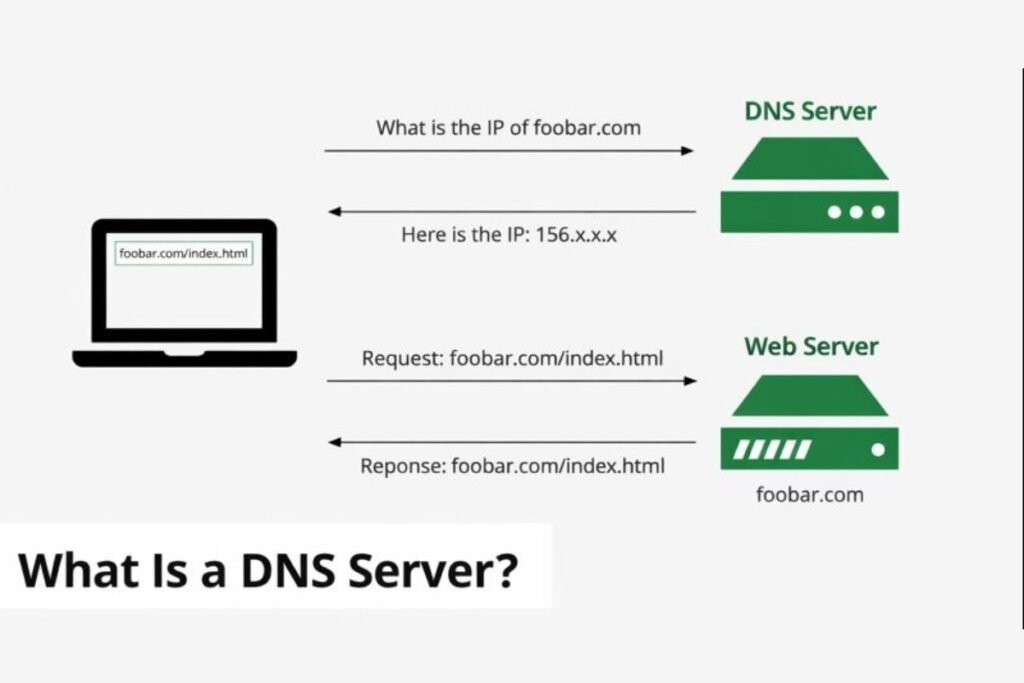
DNS stands for Domain Name System which acts as the phonebook of the internet. While humans access websites using domain names such as www.example.com computers communicate using numerical IP addresses.
DNS bridges this gap by translating domain names into IP addresses, a process known as DNS resolution or DNS lookup. This translation allows browsers applications and servers to locate each other on the internet efficiently.
DNS lookups can be forward where a domain name is resolved to an IP address or reverse where an IP address is resolved back to a domain name.
DNS also stores records for email routing, domain verification security policies and authoritative control making reliable DNS resolution essential for web applications APIs, email servers and cloud-based systems.
What is Python DNS Lookup?
Python DNS lookup refers to the process of using Python code to query the Domain Name System and retrieve DNS information programmatically. Instead of relying only on operating system tools or command line utilities developers can perform DNS resolution directly within Python scripts.
This approach provides more control automation and visibility into DNS behavior. With Python DNS lookup developers can resolve domain names to IP addresses, perform reverse DNS lookups, query specific DNS record types and automate DNS related workflows.
Capabilities make Python DNS lookup valuable for network diagnostics monitoring tools, security analysis email validation and backend services that depend on accurate DNS resolution.
Why is DNS Lookup Important for Developers?
DNS lookup is a foundational process that directly affects application availability performance and reliability. Developers rely on DNS lookup to verify domain connectivity, identify server IP addresses and ensure that applications can reach external services.
DNS related issues often appear as slow response times, failed connections or intermittent outages which makes DNS understanding critical for troubleshooting.
By using Python DNS lookup developers can automate repetitive checks, validate DNS configurations, monitor changes over time and integrate DNS resolution into applications reducing manual effort and improving consistency across environments.
How Python Performs DNS Resolution Internally?
When Python performs a DNS lookup using standard library functions it typically relies on the operating system’s resolver. This means Python follows the same resolution order as the system including checking local cache reading the hosts file and querying configured DNS servers.
As a result Python DNS lookup behavior is influenced by system level DNS settings. Understanding this internal flow helps developers interpret results correctly especially when resolving private domains testing DNS changes or diagnosing slow resolution.
For advanced use cases specialized libraries allow Python to bypass the system resolver and directly query DNS servers.
Python Libraries for DNS Lookup
Python provides multiple ways to perform DNS lookups ranging from built in modules to advanced third-party libraries. The socket module is included in Python’s standard library and is commonly used for simple forward and reverse DNS lookups.
It is lightweight, reliable and ideal for basic resolution tasks. For deeper inspection of DNS records dnspython is widely used because it supports querying multiple record types and provides access to DNS metadata.
Libraries based on nslookup are also useful when developers need to query specific DNS servers in private or corporate environments.
Using the Socket Module for DNS Lookup
The socket module allows Python to perform basic DNS resolution without installing any third-party packages. It works by calling the operating system’s resolver which means it respects system DNS settings, internal name servers and hosts file entries.
Developers commonly use the socket module to convert domain names into IP addresses or to resolve IP addresses back into hostnames for logging validation and connectivity checks.
Although it does not expose advanced DNS record details it is highly effective for quick diagnostics and automation.
Example: Forward DNS Lookup using socket
import socket
domain = “google.com”
ip_address = socket.gethostbyname(domain)
print(f”{domain} resolves to {ip_address}”)
Output:
google.com resolves to 142.250.190.14
Example: Reverse DNS Lookup using socket
ip_address = “142.250.190.14”
domain_name = socket.gethostbyaddr(ip_address)
print(f”{ip_address} belongs to {domain_name[0]}”)
Resolving IPv4 and IPv6 Addresses with getaddrinfo
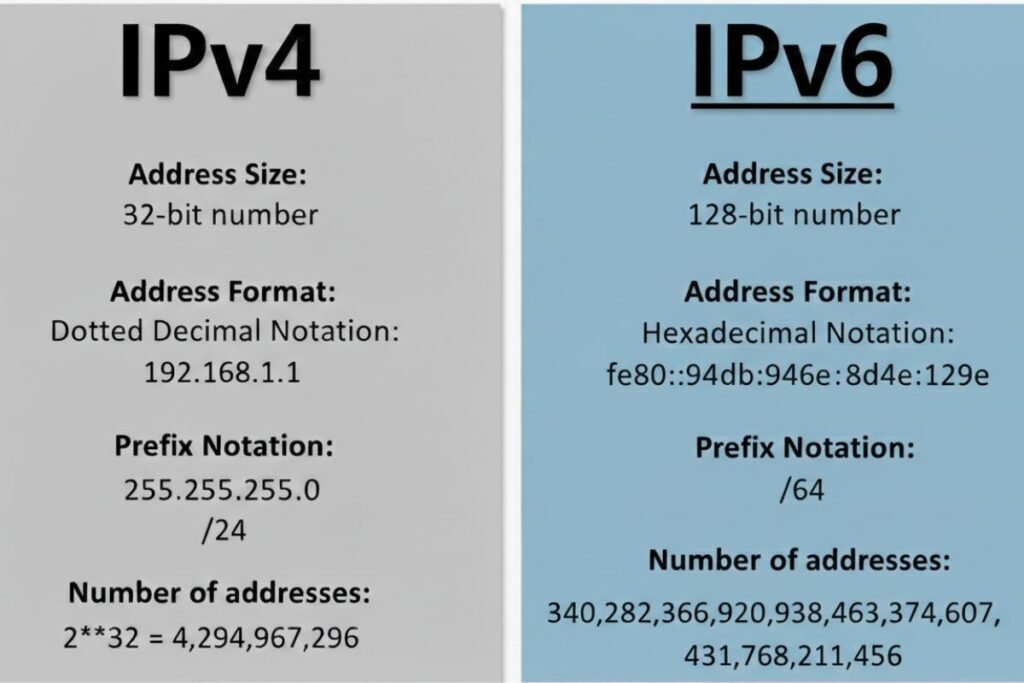
Modern networks frequently operate in dual stack environments where IPv4 and IPv6 coexist. Python’s getaddrinfo function allows developers to retrieve all available IP addresses associated with a domain in a structured format.
Instead of returning a single address it provides multiple results that include IPv4 and IPv6 records address families and protocol information. This makes it useful for applications that must support IPv6 or dynamically select the best address.
Example using socket.getaddrinfo
import socket
results = socket.getaddrinfo(“example.com” None)
for result in results:
print(result[4][0])
Advanced DNS Queries Using dnspython
dnspython enables advanced DNS queries that go beyond simple resolution. Developers can query A, AAAA, MX, NS, CNAME, PTR, TXT and SOA records to analyze domain configurations in depth.
This is especially valuable for validating email setups, inspecting DNS delegation, auditing DNS changes and troubleshooting complex DNS issues in production environments.
Installing dnspython
pip install dnspython
Example: Querying MX Records
import dns.resolver
domain = “example.com”
records = dns.resolver.resolve(domain “MX”)
for record in records:
print(f”Mail server: {record.exchange}”)
Reverse DNS Lookup in Python
Reverse DNS lookup resolves an IP address back into a domain name using PTR records. This process is important for logging security verification email systems and access control mechanisms.
Python supports reverse DNS lookup through socket based functions and advanced DNS libraries making it easy to integrate into automation and monitoring scripts.
Example: Reverse DNS Lookup
import socket
ip = “142.250.190.14”
try:
domain = socket.gethostbyaddr(ip)
print(f”{ip} belongs to {domain[0]}”)
except socket.herror:
print(“Reverse DNS lookup failed”)
Querying DNS Record Types
DNS records provide specific information about a domain. Using dnspython developers can query multiple record types to understand how a domain is configured.
Example: Querying A and MX Records
import dns.resolver
domain = “example.com”
a_records = dns.resolver.resolve(domain “A”)
for record in a_records:
print(record)
mx_records = dns.resolver.resolve(domain “MX”)
for record in mx_records:
print(record.exchange)
Handling Private and Internal DNS Domains
In corporate environments devices often use private DNS names that are not publicly resolvable. Python DNS lookup can resolve these internal domains as long as the system is configured with the correct internal DNS servers.
Developers should be aware that DNS behavior may differ between local machines, servers, containers or cloud environments.
Example: Resolving an Internal Domain
import socket
internal_domain = “site1-server01.corp.local”
ip = socket.gethostbyname(internal_domain)
print(ip)
Using the Hosts File for Local DNS Resolution
The hosts file allows local domain-to-IP mappings that bypass DNS servers entirely. Because Python relies on system resolution rules it automatically respects hosts file entries.
This is useful for development and testing but should be used cautiously in production environments due to the lack of dynamic updates and scalability.
Exception Handling and Troubleshooting DNS Issues DNS lookups can fail due to incorrect domain names, unreachable DNS servers or network misconfigurations.
Python allows developers to handle these failures gracefully using exception handling ensuring applications remain stable and predictable.
Example: Handling DNS Lookup Errors
import socket
try:
ip = socket.gethostbyname(“invalid-domain.com”)
except socket.gaierror as e:
print(f”DNS lookup failed: {e}”)
Optimizing DNS Lookup Performance in Python
When applications perform frequent DNS lookups performance becomes critical. Developers can optimize Python DNS lookup by setting timeouts, caching results and avoiding redundant queries.
Asynchronous DNS resolution further improves performance by preventing blocking operations in high traffic systems.
Example: Setting a Timeout
import socket
socket.setdefaulttimeout(5)
Example: Asynchronous DNS Lookup using aiodns
import asyncio
import aiodns
import socket
async def query():
resolver = aiodns.DNSResolver()
result = await resolver.gethostbyname(“example.com” socket.AF_INET)
print(result.addresses)
asyncio.run(query())
Why Does Python DNS Lookup Knowledge Matters?
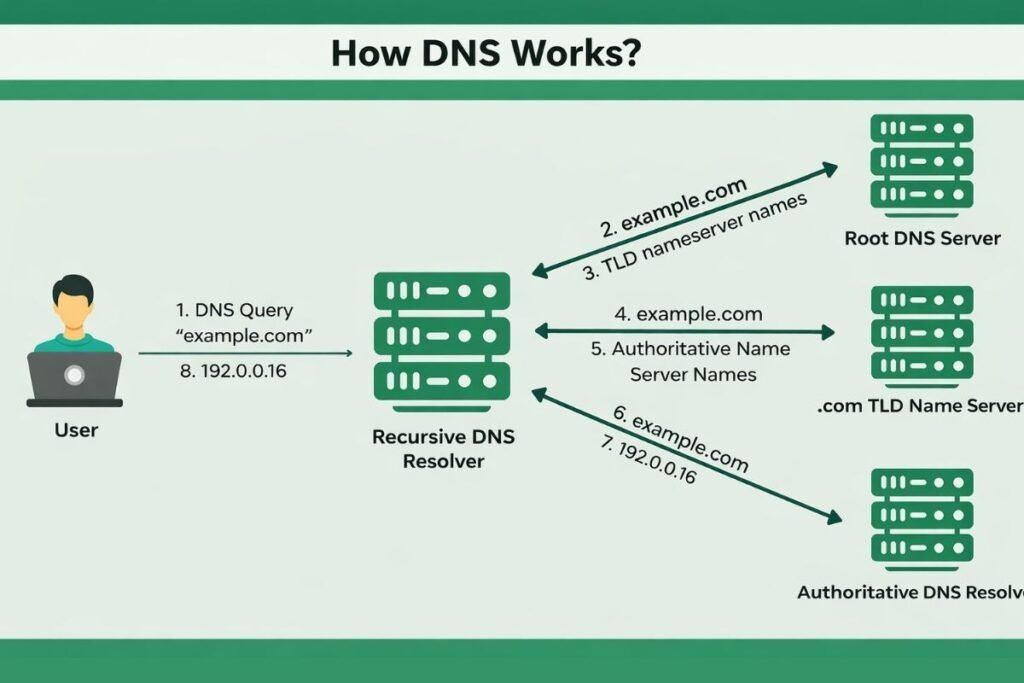
DNS is a core component of internet infrastructure and almost every modern application depends on it. Python powered systems run APIs automation scripts monitoring tools and cloud services that rely on accurate DNS resolution.
Understanding Python DNS lookup enables developers to design reliable systems debug issues efficiently and reduce downtime caused by DNS failures.
Conclusion
Python DNS lookup is a fundamental skill for developers, system administrators and network engineers. It goes beyond simple domain-to-IP conversion by providing programmatic access to DNS records resolution behavior and troubleshooting capabilities.
From basic socket-based lookups to advanced analysis with dnspython and asynchronous resolution Python offers flexible tools for every DNS use case.
When combined with modern DNS lookup platforms like Seosharp developers can validate, test and monitor DNS configurations more efficiently saving time while ensuring accuracy.
A strong understanding of Python DNS lookup ultimately leads to more stable systems and better-performing applications.
FAQs
What is Python DNS lookup used for?
Python DNS lookup is used to resolve domain names, query DNS records, validate configurations and automate networking tasks programmatically.
Can Python perform reverse DNS lookup?
Yes, Python can perform reverse DNS lookup using socket-based functions or advanced DNS libraries to resolve IP addresses back into hostnames.
Which Python library is best for DNS queries?
The socket module is suitable for basic lookups while dnspython is recommended for advanced DNS record queries and detailed analysis.
Does Python DNS lookup support IPv6?
Python fully supports IPv6 DNS lookups through functions like getaddrinfo and libraries such as dnspython.
Why do Python DNS lookups sometimes fail?
Failures usually occur due to incorrect DNS configuration network connectivity issues, unreachable DNS servers or missing DNS records.